Automation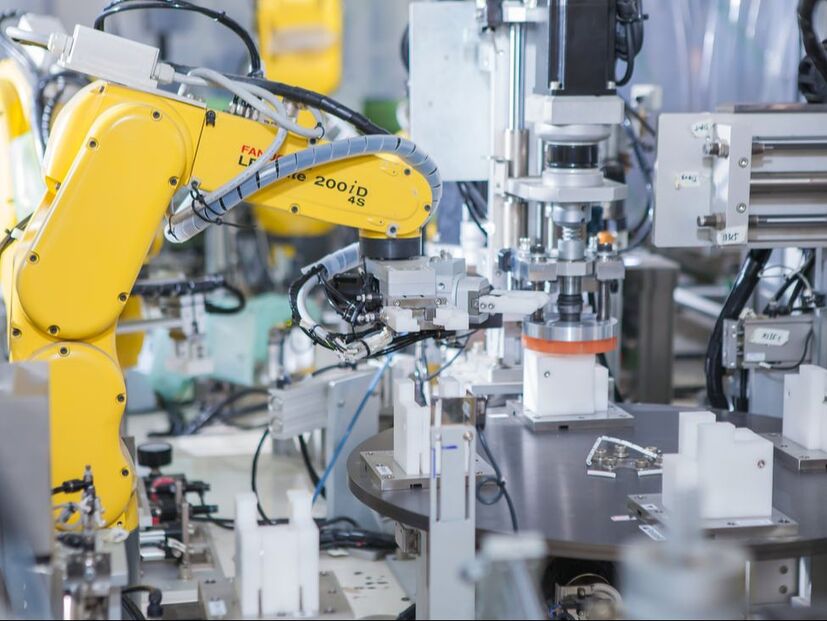
Providing the best solution of robotics and automation. Our target is maximizing the efficiency of customer’s factory. |
Digital Twin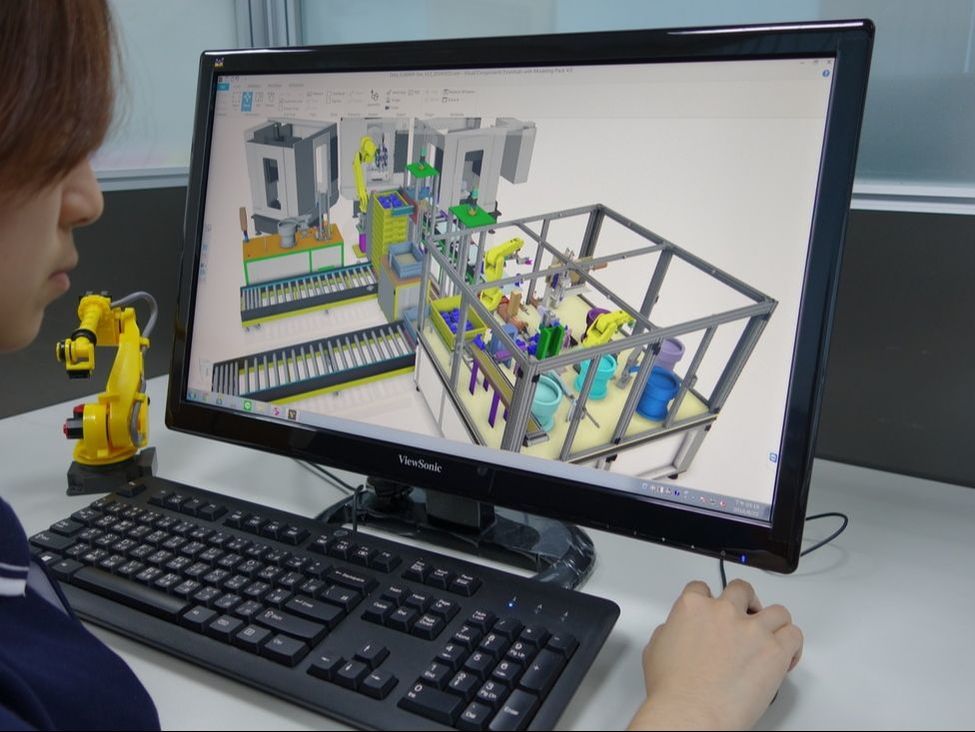
With the latest simulation software and application experience. We can help customers easy to develop their factory or automation line of our Digital twin solution. |
AGV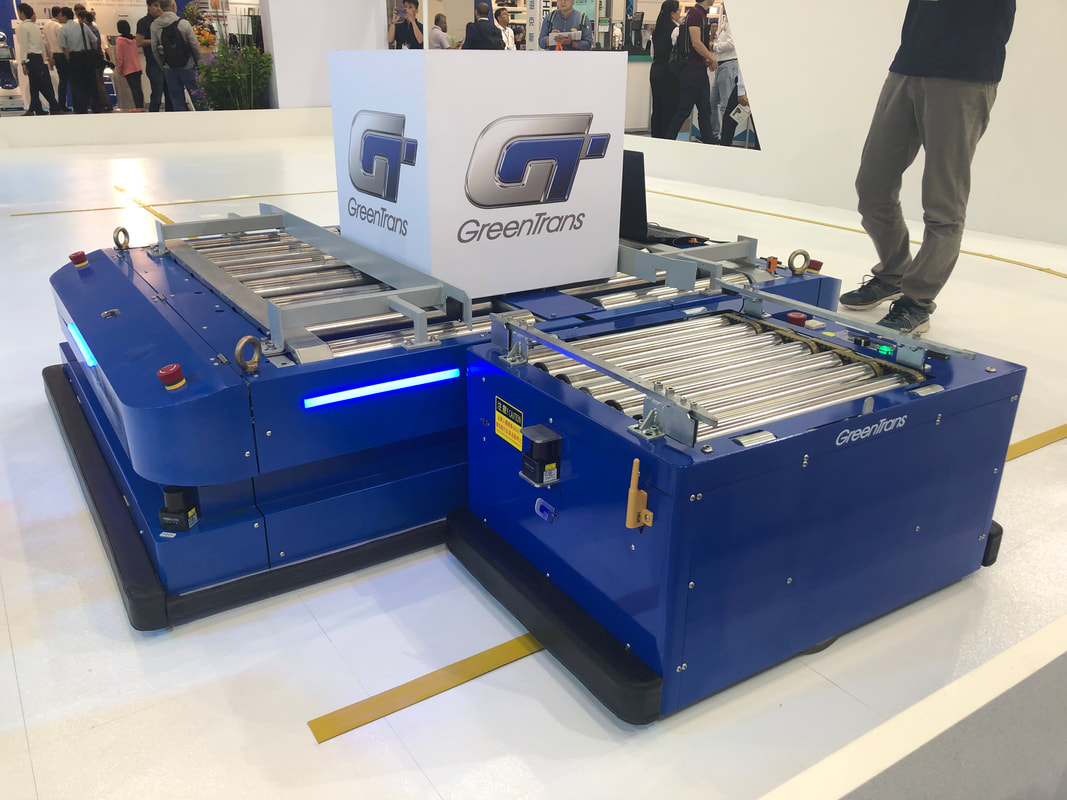
Greentrans automatic guided vehicle can help customer to improve the efficiency of factory logistic. We also using the virtual software for planning, it’s will so easy for the implement of Logistics Automation |
About Us
We will have focus meetings with customers for understanding the real demand. By using the virtual planning process, we will be providing the best solution to the customers |
Creating Productivity
|
Our mission is creating "productivity". PrefactorTech's product is providing "Automation Machine", "Digital Factory" and "Automatic Guided Vehicle" to market.
Globalization makes product life cycles is getting shortened in the last 10 years. In order to reduce risk and accelerate process. We use the latest Digital Twin platform “Visual Components 4.0” for planning and improving the production system. Our target is eliminating the wastes and risk in the Manufacture process. |
We also integrate The Toyota Production System (TPS) into our design and manufacture proecss. Our target is eliminating the seven wastes in the Factory.
By discussing with the customers to work together for developing a better manufacturing process. Prefactortech also has excellent manufacture and integration capabilities for making the automation or logistics system. Our goal is enhancing the customer's manufacturing competitiveness. |